
A true Mauritian paradise
The idea that Mauritius is just a boring honeymoon destination where you lie around in an expensive resort and sip drinks all day is the one biggest travel mistake. When I spent six months planning our 12-day family trip – and now hold on, I was traveling with three moms – I knew we wanted to get off the island. to squeeze the most out of. And Mauritius showed us that under the shell of luxury catalogs he hides incredible wilderness, a cruel colonial history and nature that you won't see anywhere else on the planet.
Our trip didn't start off exactly as planned, as we were plagued by a delay in our transfer in Istanbul (how can you get compensation for a delay? take a look here), but once we finally stepped onto Mauritian soil, all the stress subsided. The island of volcanic origin surrounded by a coral reef You will immediately be intoxicated by the scent of sugar cane and a specific energy where Creole, Indian and European culture mix.
Baptism of Fire: Driving on the Left and Mauritian Roads
If you want Mauritius to experience freely, you can't do without a rented car. Public transport works here, but you won't get everywhere in a flash. However, renting a car brings with it two challenges: drive on the left and the local driving style requires eyes on the back as well.
My first day behind the wheel was pure adrenaline baptism by fire. Constantly turning on the wipers instead of the indicators and roundabouts in the opposite direction force you to concentrate. I wish I didn't have to shift gears, we had an automatic and that helped me a lot. But once you leave the busy roads around the capital Port Louis and enter the endless fields of sugar cane, you get used to it. The roads are in good condition., you just have to take into account that they are here on radars on every corner and you have to follow the speed limit. Besides, everyone around the speed cameras follows it, so it forces you to.
Port Louis: History, Markets and Oceanarium
The capital city of Port Louis is a fascinating cocktail of old and new worlds. Our first steps led into a giant Odysseo Oceanaria. A walk through glass tunnels, where sharks and rays circle overhead, thrilled our entire female crew.
Just a short distance away we visited Blue Penny Museum, where the world's most famous and valuable postage stamps are hidden - the Blue and Red Mauritius. Seeing them live (they are illuminated for only a few minutes every hour to prevent them from fading) is a dream come true for every traveler.
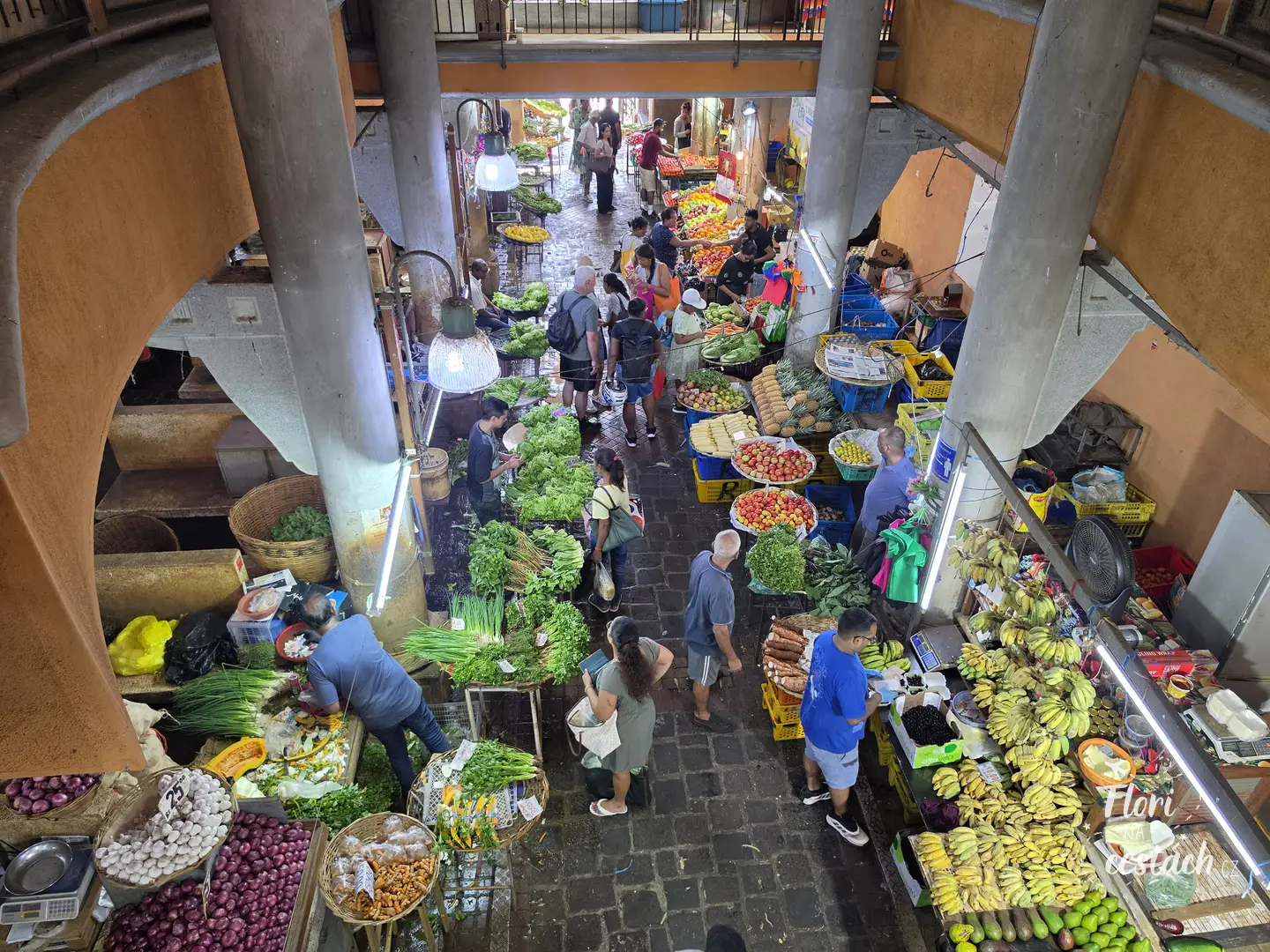
The museum is adjacent to the modern waterfront Caudan Waterfront, where there are many souvenir shops. As you walk along the coast, you will soon reach Central Market. Where you can get everything from local vegetables and fruits, spices and vanilla to souvenirs and clothes.
Catamaran trip to the northern islands
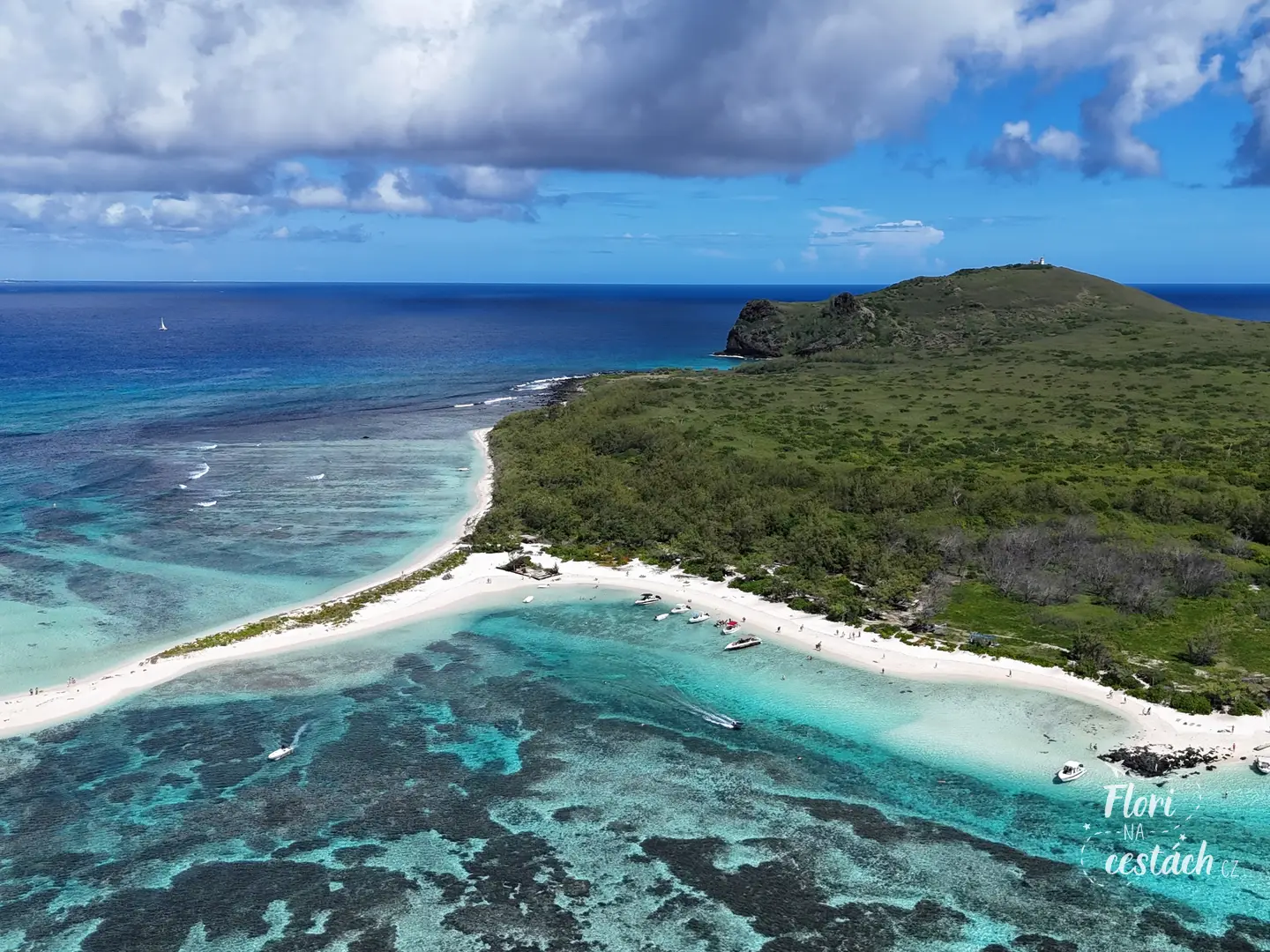
We set off on a great day trip on a catamaran from the north coast. We set off in the morning directly from the beach in Grand Bay and our first stop was at the dramatic island Gunner's Quoin (Coin de Mire), where we had a great time snorkeling in the clear water among hundreds of colorful fish.
From there we crossed to the island Flat Island (Île Plate), which is perfect for carefree swimming and catching a tan. Around lunchtime we returned to the catamaran, where a grilled meal with lots of vegetables and some alcoholic and non-alcoholic drinks awaited us.
After eating, we looked at the neighboring Gabriel Island (Îlot Gabriel), where we enjoyed the beach and swimming. In the afternoon, all that awaited us was the journey back to Gran Baie beach, where our trip ended. It was one of the most powerful experiences on the island for us.
Beach Guide: From North to South
Mauritius has hundreds of kilometers of beaches, each with a completely different atmosphere and facilities. Here are the ones we tested firsthand during our trip:
Trou aux Biches: In the northwest of the island you will find a beach with incredibly fine white sand, calm turquoise water without big waves and tall palm trees that will give you nice shade. It is exactly the right place for great swimming and undisturbed relaxation. The atmosphere is only slightly spoiled by the nearby boats that anchor here at the public beach.
Flic en Flac: On the west coast lies this mile-long beach, which became our main base because we lived here the whole time. It has great amenities, lots of local street food stalls, and you can watch epic sunsets every night.
Albion Beach: A little north of Flic en Flac you'll find the quieter and much less touristy Albion Beach. It's known for its iconic lighthouse on the cliff and a laid-back atmosphere, where you'll find more local families relaxing than the crowds from the hotel resorts. The water is actually quite shallow, so water shoes are a good idea.
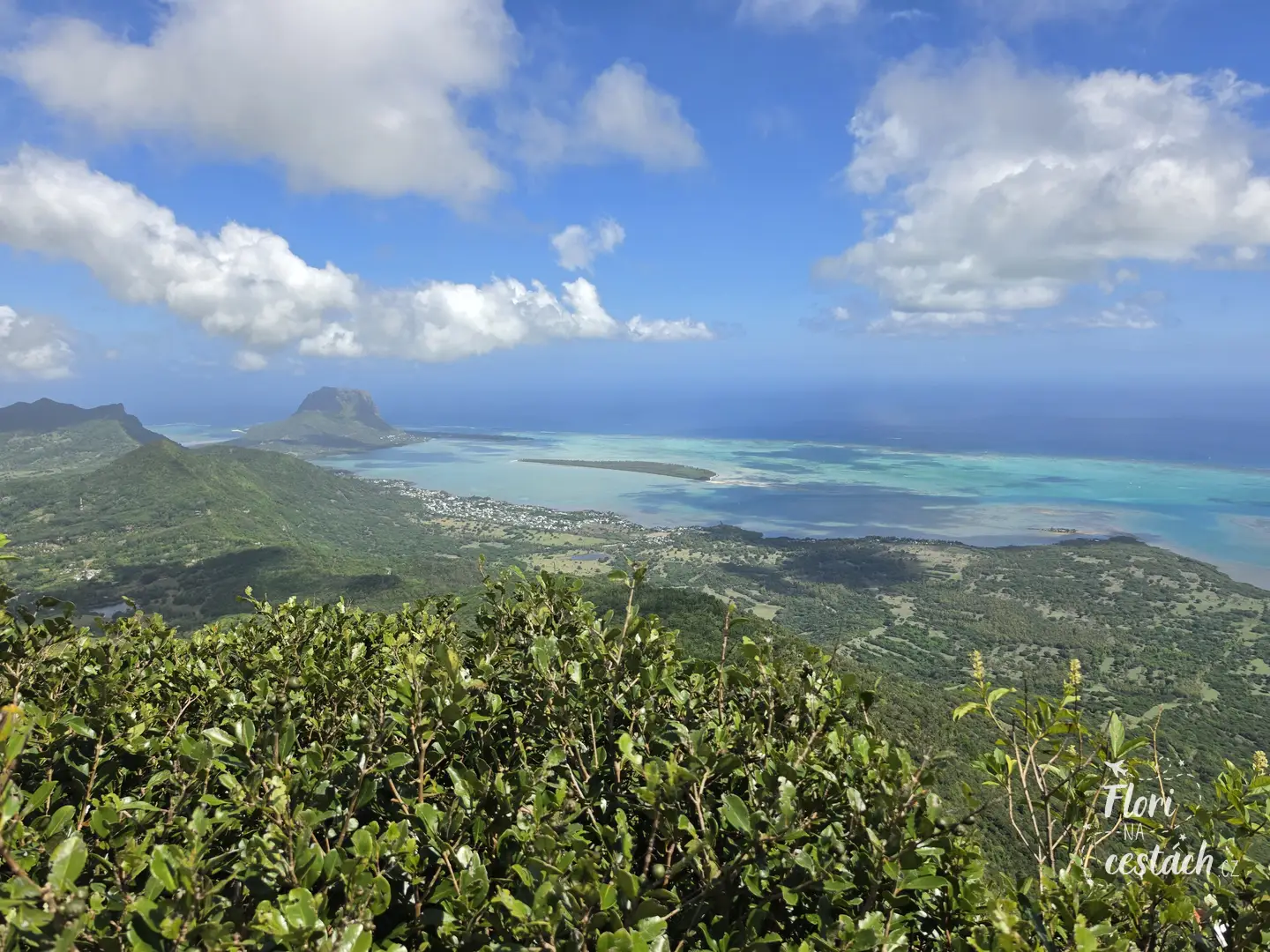
Le Morne Beach: A beach right under the majestic basalt mountain of Le Morne in the southwest of the island. The combination of luxurious light sand, shade from trees and a giant rock monolith towering right behind you will simply take your breath away.
Blue Bay Beach: On the other hand, in the southeast of the island, you'll find this famous beach. Blue Bay is famous for its protected marine park, where you can snorkel right from the sandy shore.
And Blue Bay became a strategic point where our expedition split up for a while. While I let the girls enjoy some well-deserved relaxation on the beach, I went into action.
Solo expedition into the green wilderness
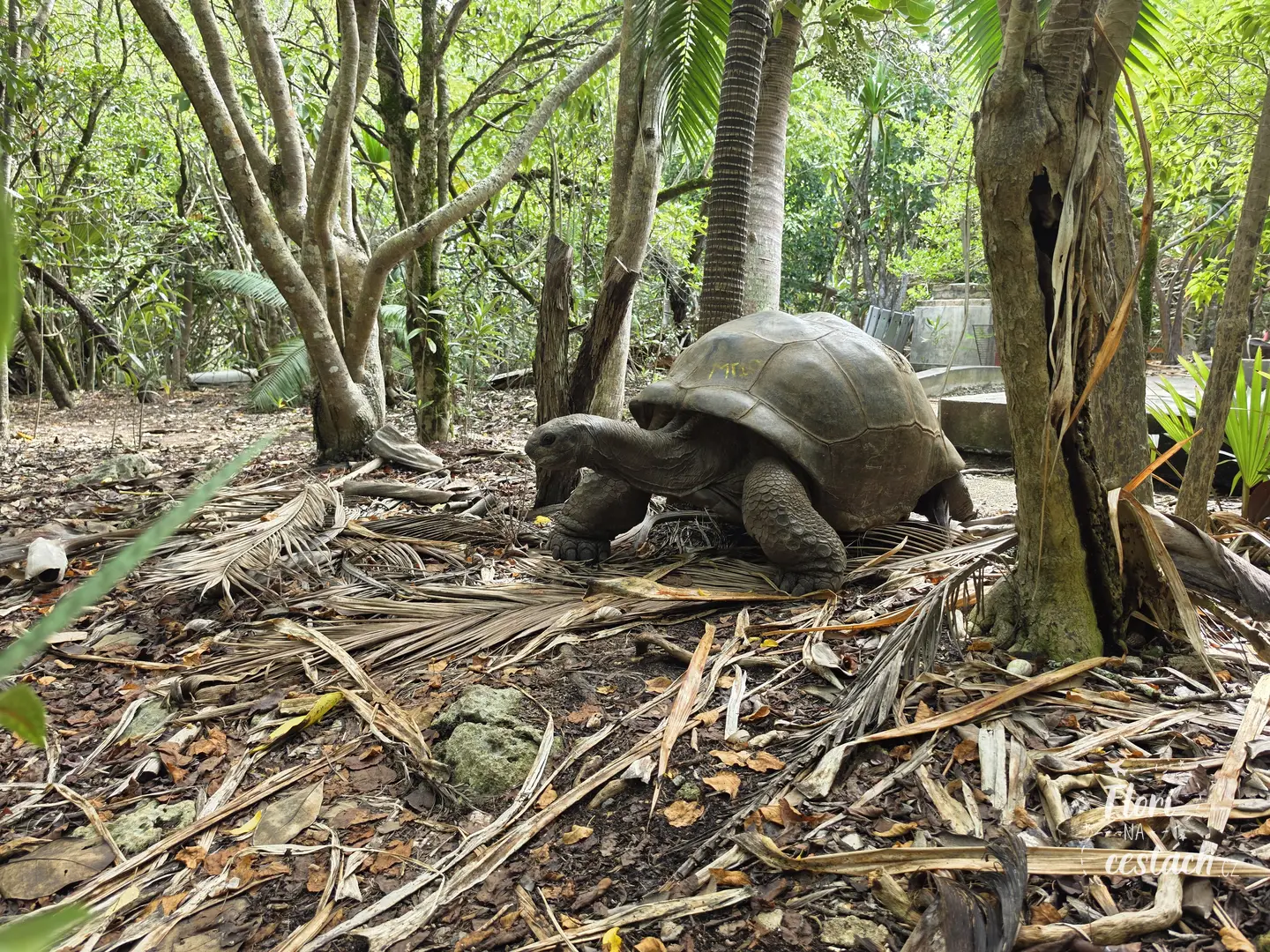
One of my solo trips was with a local conservation organization to the island Ile aux Aigrettes. This small coral island is a strictly protected nature reserve where biologists are trying to restore the original Mauritian ecosystem. Walking through the rainforest and meeting giant tortoises living in the wild or watching the rare pink pigeons, which were not long ago on the verge of extinction, was an incredible and deeply meaningful experience.
My next solo day trip was to a national park Black River Gorges. Forget the beaches here, this is the green, wild heart of the island. I started at the impressive waterfall Alexandra Waterfall and continued on Gorges Viewpoint, from where you will have a breathtaking view of a deep green valley lined with sharp volcanic ridges.
From here I set off on a trek to Piton de la Petite Rivière Noire – the highest peak in Mauritius (828 m above sea level). The path through the rainforest is quite muddy in places and the final ascent to the summit ridge itself requires a bit of climbing on ropes, but the feeling of standing on the highest point of the island and the whole of Mauritius stretching out from east to west below you is 100% worth the effort.
Le Morne Brabant: Adrenaline with a dark history
We couldn't miss the peninsula either Le Morne in the southwest. The monolithic basalt mountain rising 556 meters above the lagoon is listed UNESCO. In the 18th century, it served as a refuge for runaway slaves who established secret settlements on the summit.
Alone trek to the top of Le Morne Brabant is divided into two parts. The first half is a leisurely walk along a rocky path between the trees. The second half is pure adrenaline. The trail turns into a steep, unprotected rock climb, where you literally crawl on all fours and hold on to rock ledges with your hands. No ropes, no railings. But the feeling when you overcome the last steep wall and the view of the famous phenomenon of the "underwater waterfall" (an optical illusion created by washed-away sand) opens up is unforgettable.
Waterfalls, colorful land and rum
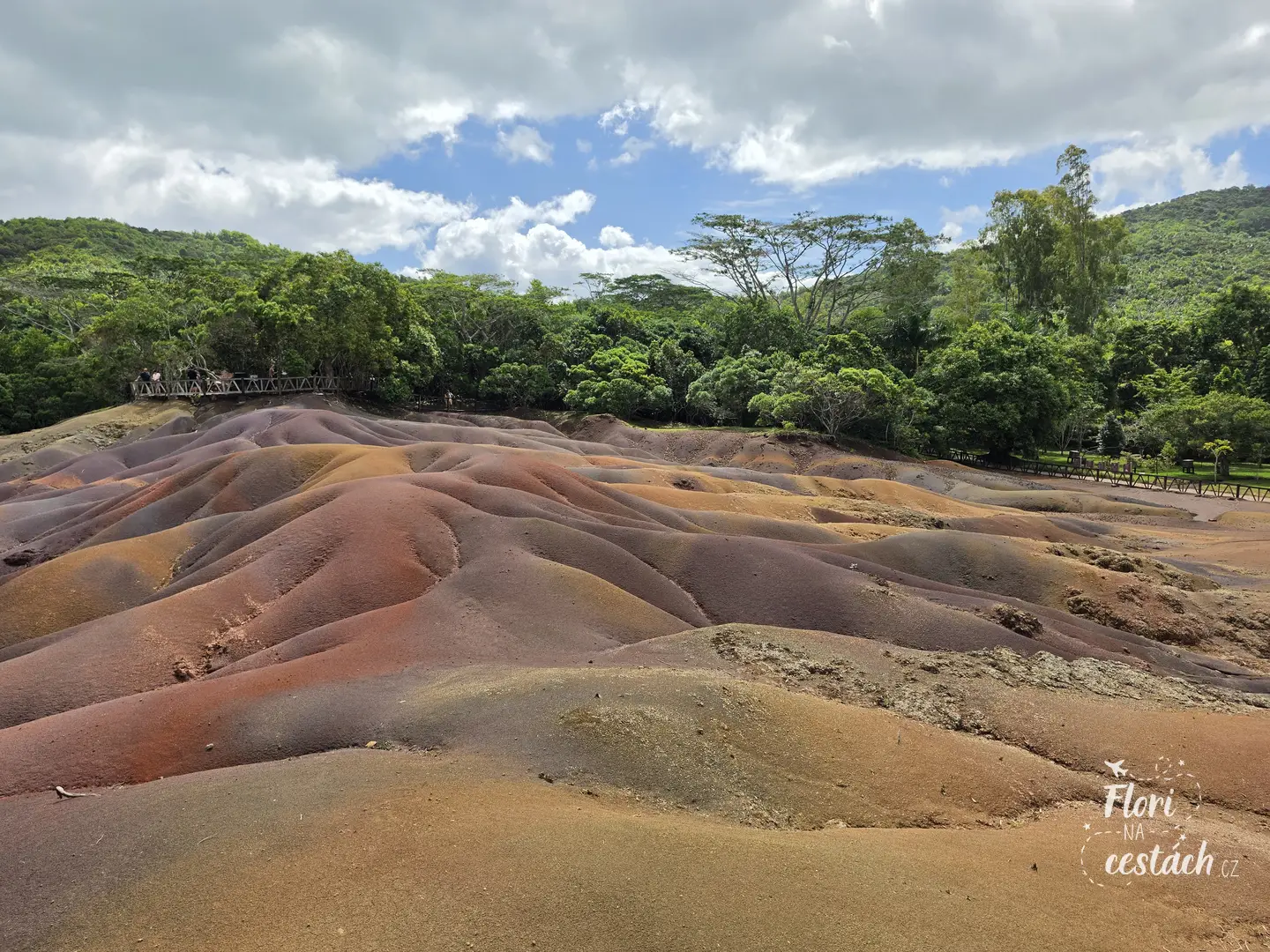
Region Chamarel in the southwest is another natural wonder. First we stopped to admire Chamarel Waterfall – the highest non-stop waterfall on the island, cascading from the dense jungle to a depth of almost 100 meters. Just a short distance away lies the iconic 7 Colored Earth Geopark. Here the land literally plays with colors. These rolling dunes of volcanic ash have been weathered to seven different shades (from red to purple) and it is fascinating that the colors do not mix even after heavy rains.
To make matters worse, we also visited in this area Rhumeria de Chamarel. This premium and environmentally sustainable distillery is surrounded by sugarcane plantations. We went through the entire production process from pressing the stalks to the copper distillation columns. And the conclusion? That belonged to a generous tasting, where we tested 12 different types of rum and liqueurs. Considering that I had three moms with me, the tasting was quite cheerful.
Grand Bassin temples, tea and giant tortoises
The interior of the island also hides a deep spiritual dimension. We visited Grand Bassin (Ganga Talao), a sacred Hindu site located in the crater of an extinct volcano. From afar, you will be greeted by two gigantic, over 30-meter-high statues of the god Shiva and the goddess Durga. Walking around the temple, watching the faithful bringing offerings to the lake and smelling the scent of incense sticks, it is a completely different world that will force you to slow down for a moment.
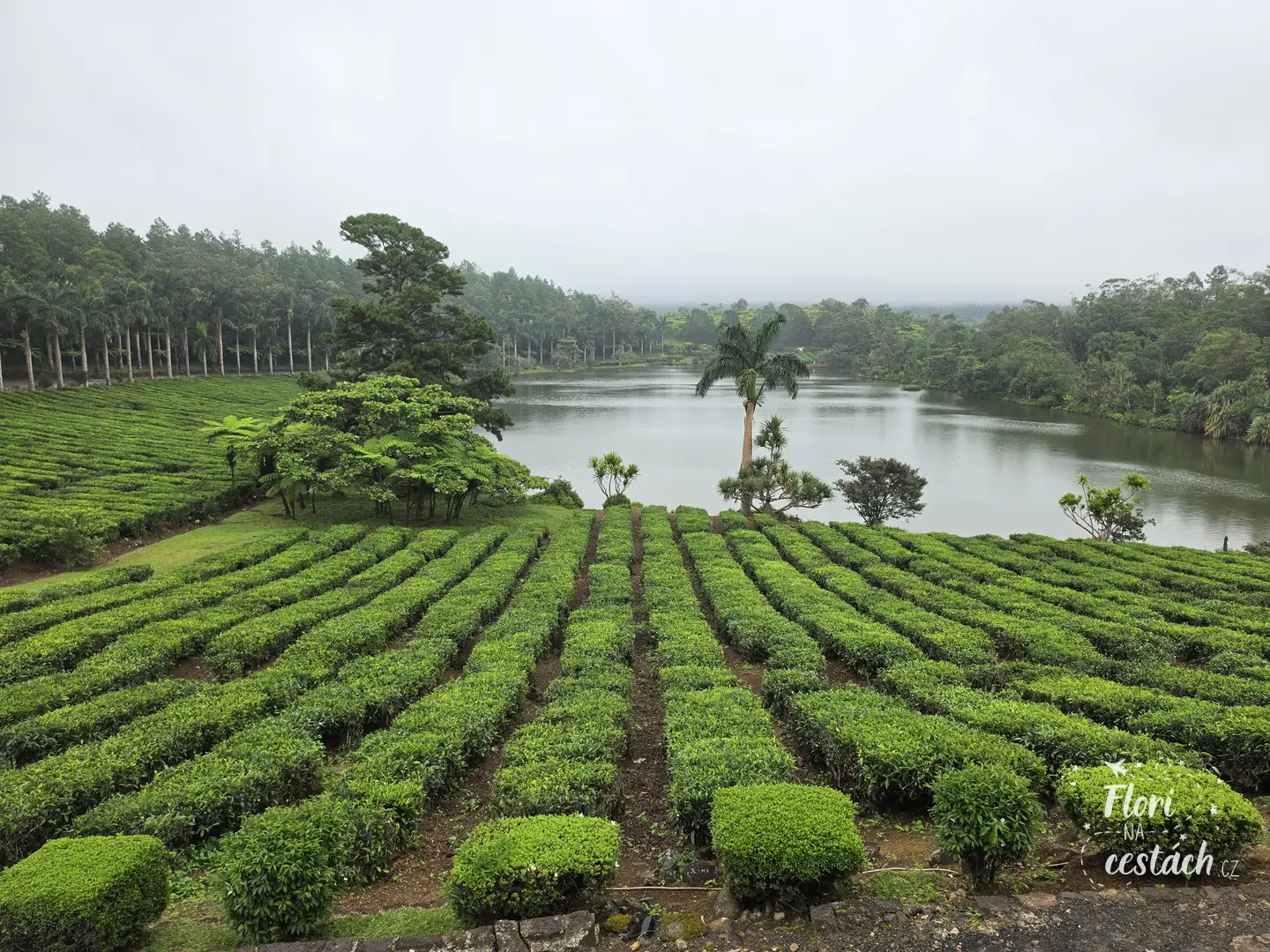
From the spiritual realm, we smoothly transitioned into the green hills to the oldest tea plantation on the island – Bois Cheri. We visited the local factory museum, where they will show you historical tea processing machines, and we ended the whole experience with a panoramic tea tasting with a view of the endless green tea carpets.
To make our expedition complete, I took the girls to La Vanille Nature Park. This park in a lush tropical valley in the south of the island is home to hundreds of giant Aldabra tortoises. You can freely walk among these centuries-old giants, feed them leaves and be fascinated by their tranquility. In addition to the tortoises, we also toured the rest of the zoo, including the crocodile breeding stations and the giant insect collection.
Giant water lilies and the world's saddest palm tree
To understand what gave Mauritius its wealth, you must visit The Sugar Adventure. This interactive museum is housed in a former sugar factory and will show you in detail how sugar cane became a strategic global currency. The tour ends with a completely luxurious tasting of natural sugars, which you will definitely appreciate after a long day on your feet.
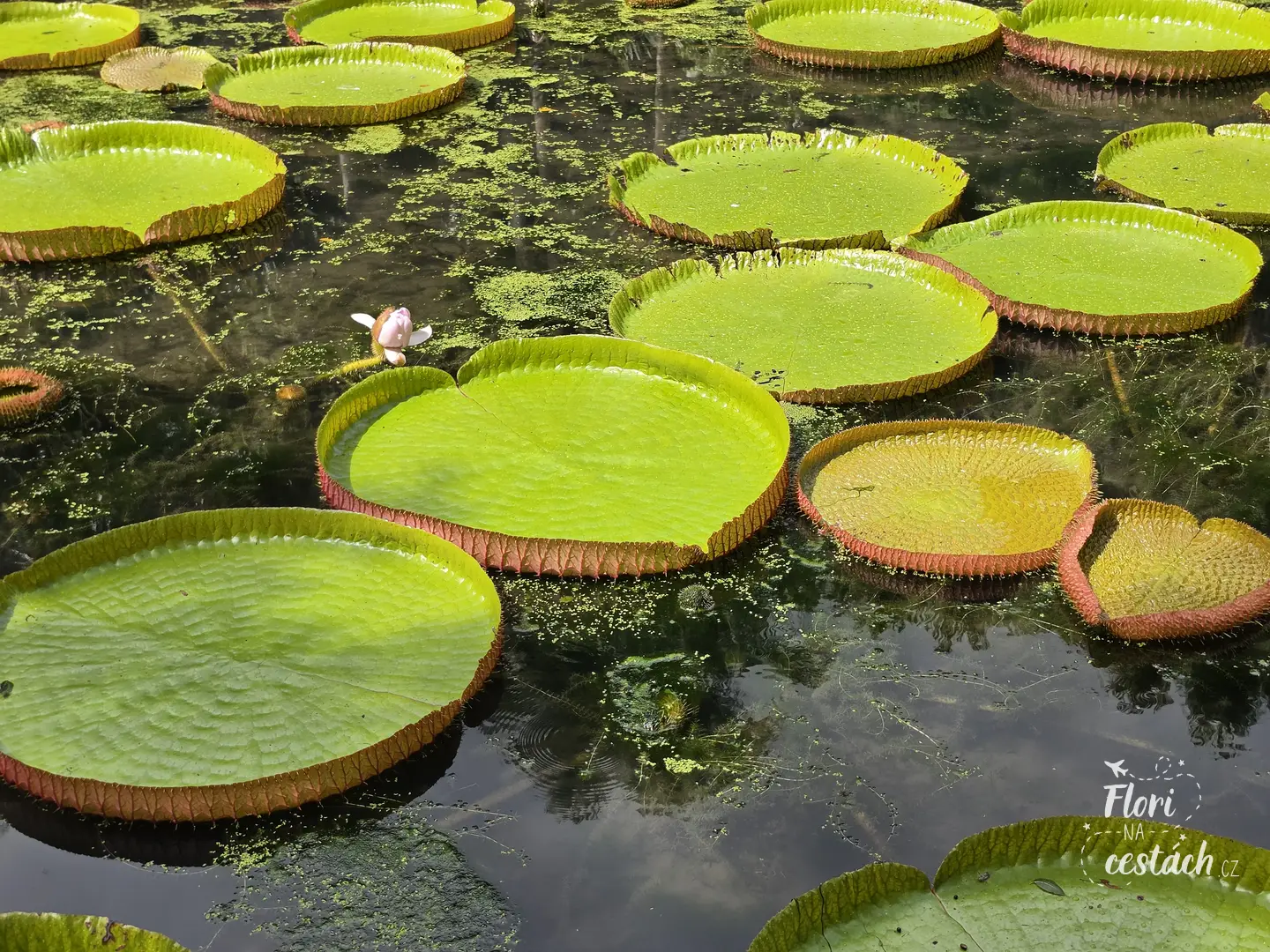
Just a short walk from the museum lies the world-famous botanical garden Sir Seewoosagur Ramgoolam in Pamplemousses. Its main symbol is an elongated pond with giant water lilies. Victoria amazonica, whose leaves are so huge and strong that they could hold a small child. We haven't tried that, so I can't confirm.
But the complete botanical conclusion belonged to the garden SSR Botanical Garden in Curepipe, which we visited on the last day just before leaving for the airport. It grows here Lonely palm tree (species Hyophorbe amaricaulis). It is the last living specimen of its kind on the entire planet Earth. Scientists from all over the world have tried for years to save and clone it, but all attempts have failed. When you stand by that single, fenced-off tree, which carries with it the inevitable sentence of the end of its species, an unadulterated melancholy breathes upon you.
My personal summary: Is Mauritius worth it?
Mauritius me personally incredibly surprised. I was actually expecting more of the luxurious boredom from the catalogues, but what I got was a wild, colorful and culturally incredibly diverse island that has something to offer even the greatest adventurers.
And what's the best part about it all? The entire island can be explored perfectly, smoothly and safely without the assistance of any tour companies - even as a family with three mothers behind you. All you need to have is: really good plan.
If you're planning to visit the island on your own, here's my final recommendation for your trip:
Rent a car: Don't be afraid of driving on the left. Your own car is the absolute key to exploring the non-touristy hinterland and gives you absolute freedom.
Look for contrasts: Don't waste your entire vacation on just one beach. Combine relaxation on the sand with colonial history and markets in Port Louis, deep spirituality at Grand Bassin, and great gastronomy.
Go trekking in the morning: Start your climb to the top of Le Morne or the jungle of Black River Gorges early in the morning to avoid the scorching midday sun and crowds of tourists.
Taste the island with all your senses: Definitely don't miss tasting 12 types of rum at Rhumerie de Chamarel and visit the Bois Chéri tea plantation for afternoon tea with a breathtaking view.
Protect the unique nature here: Respect the strict ecological rules at Île aux Aigrettes reserve and never touch or step on live coral when snorkeling in Blue Bay.
Pack your backpack and just go: Mauritius is incredibly warm, clean and logistically hassle-free. If I managed this route without losing a flower accompanied by three mothers, you can do it too!
🎬 Want to see even more of Mauritius? 📸
Mauritius is an incredibly photogenic place and I simply couldn't fit all the shots into this guide. That's why I've prepared for you large Mauritian photo gallery . Check out more hidden beaches, wild treks and snapshots that will instantly transport you to the Indian Ocean.
Photos aren't enough for you and you want to suck the real one, the authentic atmosphere of the island? Do you want to see how we fought with mud in the jungle, what those steep walls of Le Morne look like in the video, and how the moms laughed while tasting 12 types of rum?
So sit back and relax. my complete YouTube playlist Diaries from Mauritius. You'll find real emotions from every day, a bunch of behind-the-scenes moments, and video tips that simply didn't fit into the captions. Come experience the island with me!
Are you going to Mauritius? Don't plan it from scratch!
Are you tempted by the exoticism of the Indian Ocean, but don't want to spend weeks reading discussions and blogs? Save yourself the time and hassle of logistics, flights or car rental. I've compiled all my experiences, detailed information about all these places, a day-by-day itinerary, verified tips and hidden places without tourists into one clear guide.
In my e-book on the e-shop you will find a complete guide on how to enjoy Mauritius to the fullest, cheaper and exactly according to your wishes.
Order here